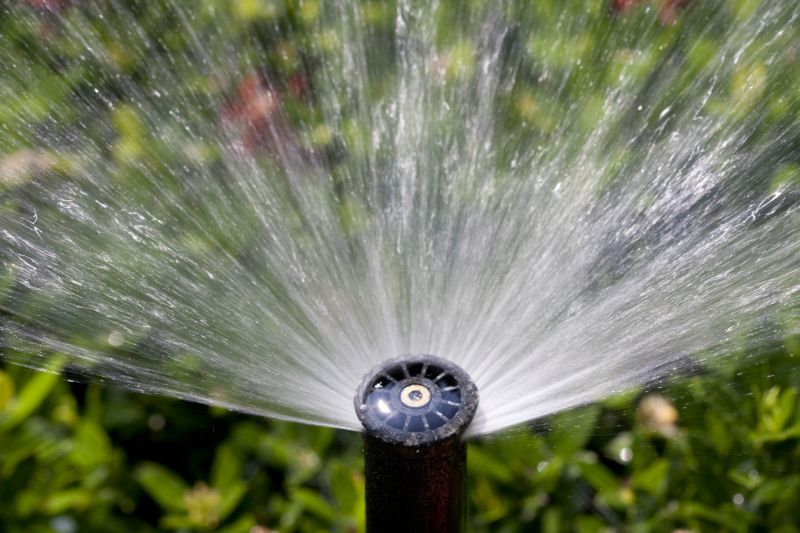
Irrigation Winterization in Reno, NV
Irrigation winterization services involve preparing sprinkler systems for the colder months to prevent damage caused by freezing temperatures. This process typically includes draining or blowing out residual water from pipes, valves, and sprinkler heads, as well as insulating components when necessary. These services are essential for maintaining the longevity of irrigation systems, especially in areas like Reno, NV, where winter temperatures can drop significantly. Property owners often request winterization to avoid costly repairs in the spring and to ensure their lawns and landscaping remain healthy when the growing season resumes.
Before requesting irrigation winterization, homeowners usually want to understand which parts of their system are included in the service, such as sprinkler heads, pipes, and control valves. It's also common to inquire about the timing, as winterization should be performed before the first hard freeze. Property owners may also want to know if the service covers system inspection or additional winter protection measures. Clear communication about these aspects can help ensure the system is properly prepared for winter and functions effectively when irrigation resumes in the warmer months.
Many property owners in Reno, NV look into Irrigation Winterization for repairs, replacements, upgrades, and appearance-related improvements.
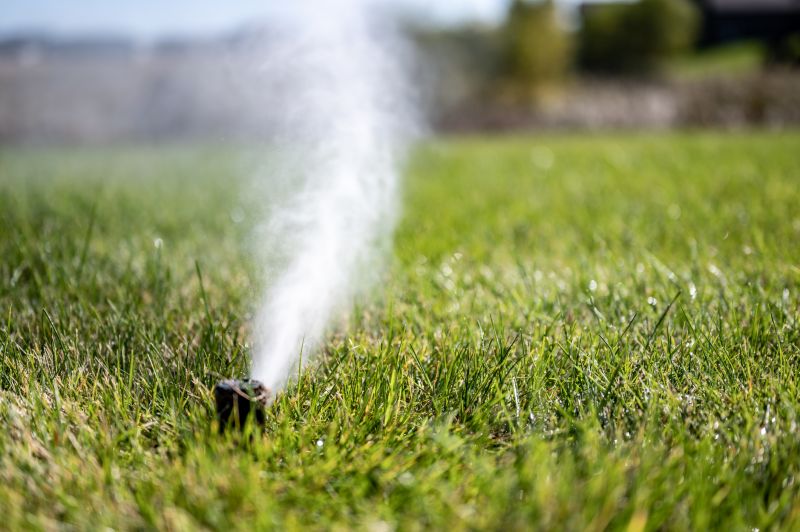
Preparing Irrigation Systems For Winter
Proper winterization helps prevent damage to sprinkler components during freezing temperatures.
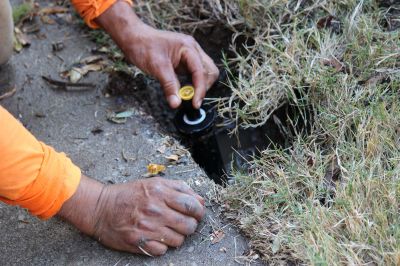
Protecting Your Landscape Investment
Winterizing your irrigation system ensures your landscaping remains healthy and intact through the cold months.
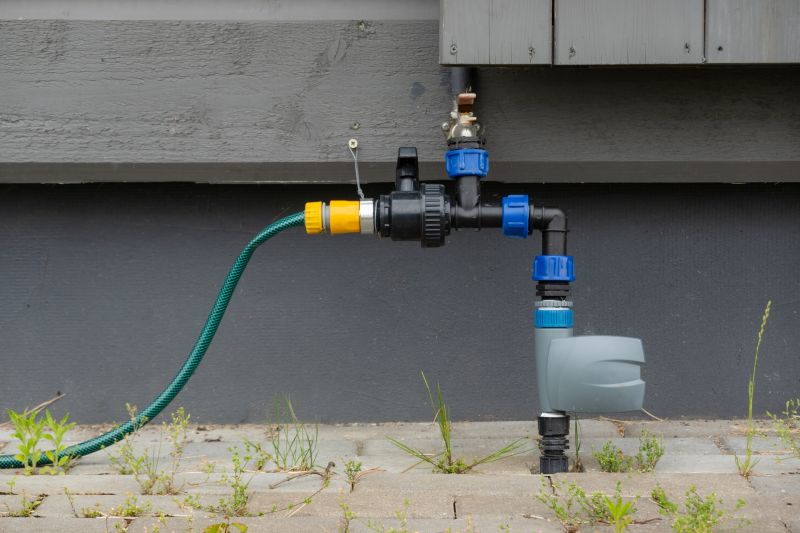
Essential Winter Maintenance Steps
Shutting down and draining sprinkler lines reduces the risk of burst pipes and costly repairs in reno, nv.
Irrigation Winterization in Reno, NV
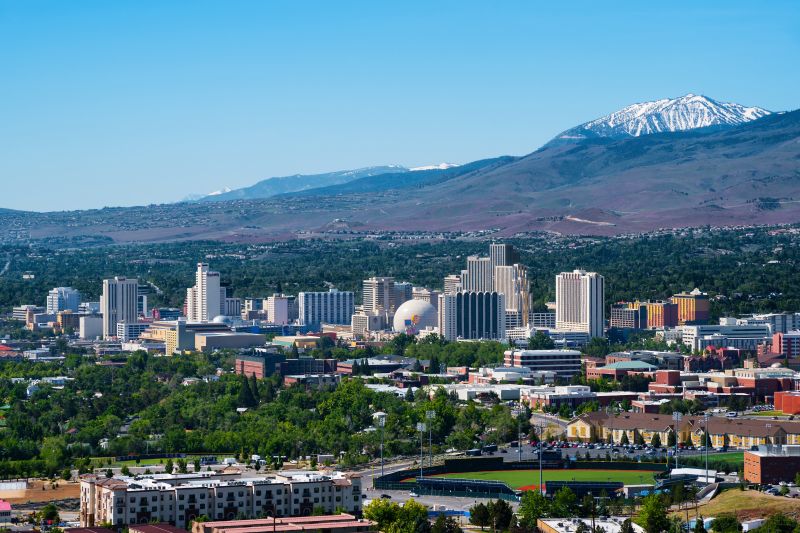
Irrigation winterization services involve preparing sprinkler systems for the colder months to prevent damage caused by freezing temperatures. This process typically includes draining or blowing out residual water from pipes, valves, and sprinkler heads, as well as insulating components when necessary. These services are essential for maintaining the longevity of irrigation systems, especially in areas like Reno, NV, where winter temperatures can drop significantly. Property owners often request winterization to avoid costly repairs in the spring and to ensure their lawns and landscaping remain healthy when the growing season resumes.
Before requesting irrigation winterization, homeowners usually want to understand which parts of their system are included in the service, such as sprinkler heads, pipes, and control valves. It's also common to inquire about the timing, as winterization should be performed before the first hard freeze. Property owners may also want to know if the service covers system inspection or additional winter protection measures. Clear communication about these aspects can help ensure the system is properly prepared for winter and functions effectively when irrigation resumes in the warmer months.
Many property owners in Reno, NV look into Irrigation Winterization for repairs, replacements, upgrades, and appearance-related improvements.
Common Irrigation Winterization Jobs
Irrigation Winterization - prepares sprinkler systems for freezing temperatures to prevent damage.
Drainage services - removes remaining water from pipes and components to avoid freezing.
System blowouts - uses compressed air to clear out water from sprinkler lines safely.
Valve and backflow shutoff - secures and isolates irrigation components for the winter months.
Pipe insulation - adds protective coverings to prevent freezing and cracking.
Inspection and testing - ensures the system is properly winterized and ready for spring restart.
Irrigation Winterization Questions
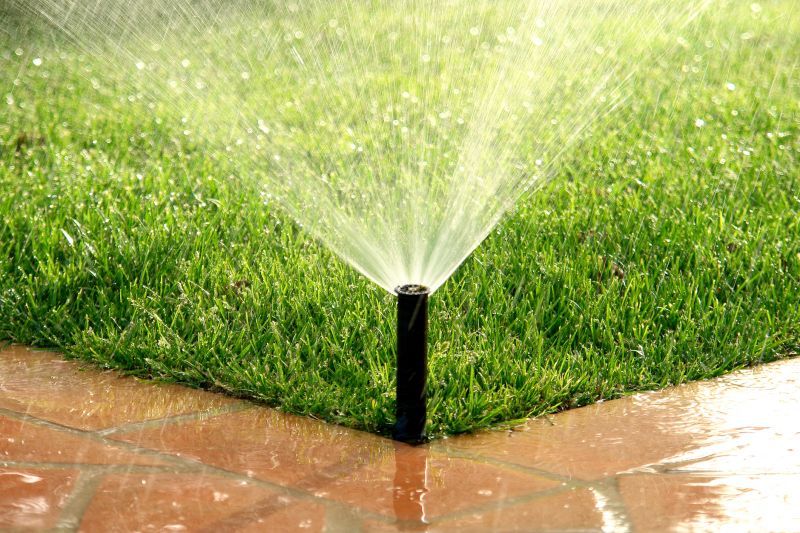
Why is winterization necessary for irrigation systems? Winterization helps prevent damage caused by freezing temperatures, such as burst pipes and broken valves, ensuring the system remains functional for the next season.
When should irrigation winterization be performed? It is typically recommended in late fall before the first hard freeze to protect components during winter months.
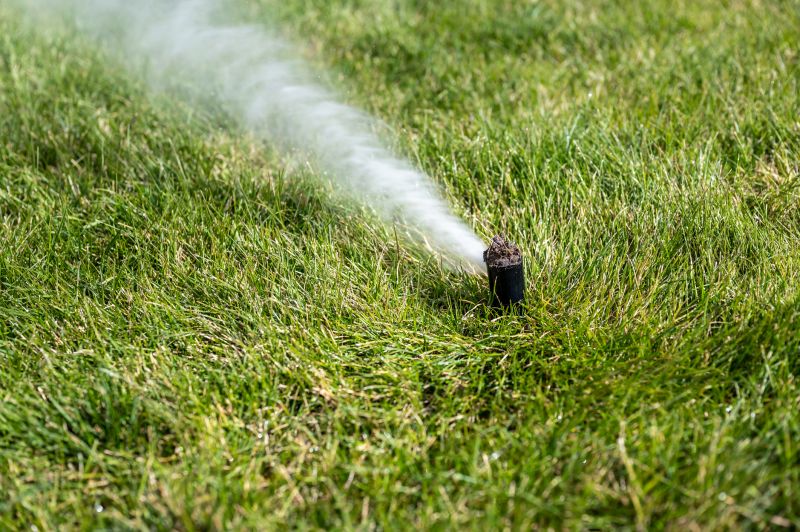
What does irrigation winterization involve? The process generally includes draining or blowing out water from pipes, valves, and sprinkler heads to eliminate moisture that could freeze and cause damage.
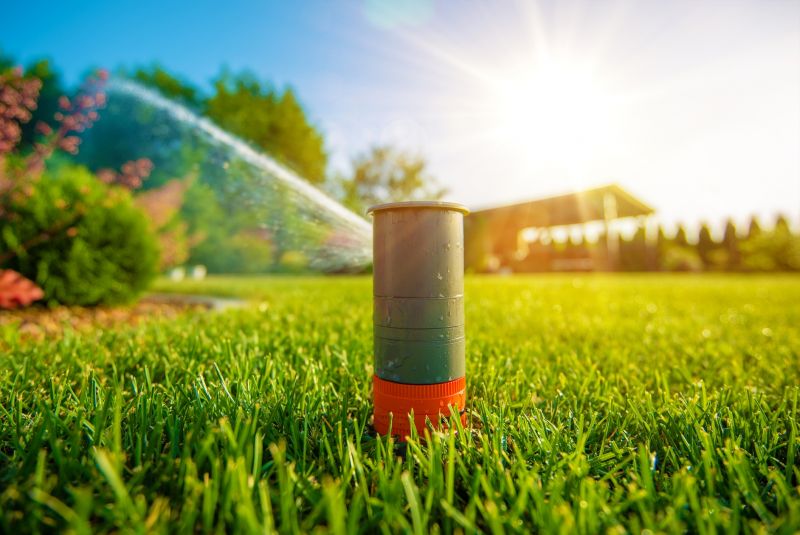
Can winterization be done on any type of irrigation system? Most standard irrigation systems can be winterized, but the specific method may vary depending on the system’s design and components.
Request Irrigation Winterization in Reno, NV
Use the quote form on this page to share the basics of your project and request more information for the type of work you need.